July 6th, 2022
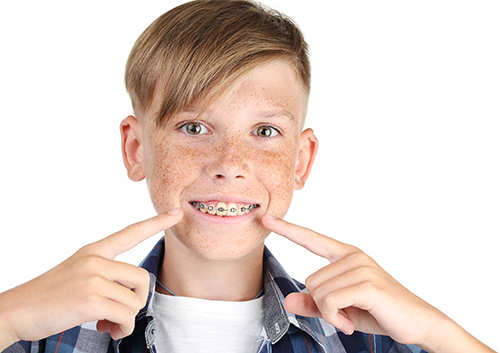
You’re going to the game! And no matter which sport you follow, there’s so much to enjoy—the best athletes, exciting play, hometown pride—and those delicious concession stands! But if you’re wearing braces, your team spirit might be flagging. Here are a few ideas to help keep your food choices out of foul territory.
You know that you should avoid the foods that can damage braces or stick around your wires and brackets. This means any snacks that are sticky, chewy, hard, or crunchy are benched. So most of the traditional game foods—peanuts, popcorn, nachos, licorice—are just not safe for traditional metal or ceramic braces. Let’s save those for next season.
So what is on the program? You still have many great choices.
- Ice Cream. A favorite that’s easy on your braces (no nuts or caramel, please). If you want a healthier option, try frozen yogurt or a smoothie.
- Hearty Snacks. Pretzels and pizza can be too thick and chewy. Go for the mac and cheese, chili, or deli meats on soft bread. And remember, small bites! Check with us to see if hamburgers and hot dogs are safe for your braces.
- Soft Candies and Cookies. Licorice, caramels, and crunchy cookies are out, but soft chocolate bars and moist, tender cookies are still on the menu.
- Sodas and sports drinks can create a sugary and/or acidic environment which can damage enamel over time. If you do indulge, try to rinse with water ASAP.
Stadium and arena menus contain a lot of starches and sugars, which stick to braces and fuel cavity-causing bacteria. So it’s best to go easy on the snacks. But you don’t have to give up a half-time treat entirely—just enjoy in moderation and be sure to brush thoroughly when you get home.
If you wear clear aligners, your choices are simpler. You can remove your aligners, eat normally, and clean your teeth thoroughly before replacing them. But one flag on this play—remember that you’re supposed to wear your aligners for a set number of hours each day. You don’t want to be putting your treatment behind schedule if the game goes into triple overtime. Keep your eye on the clock, and you should be fine.
Dr. Iwei Huang and our Chicago team are always happy to recommend the best food options for your individual orthodontic treatment, and we can help you select a roster of safe and healthy choices. You might miss out on a few of your favorite sports snacks right now, but let’s remember the true fan’s motto: There’s always next year! Taking care of your braces and teeth means faster treatment and healthier teeth. Your All-Star smile will be worth it!
July 6th, 2022
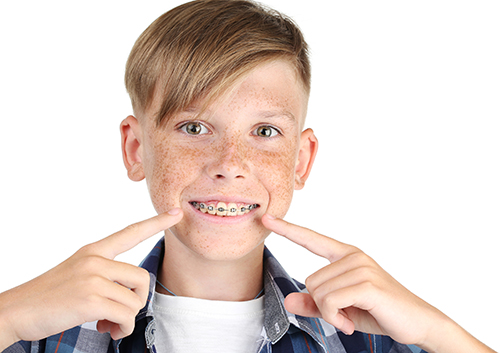
You’re going to the game! And no matter which sport you follow, there’s so much to enjoy—the best athletes, exciting play, hometown pride—and those delicious concession stands! But if you’re wearing braces, your team spirit might be flagging. Here are a few ideas to help keep your food choices out of foul territory.
You know that you should avoid the foods that can damage braces or stick around your wires and brackets. This means any snacks that are sticky, chewy, hard, or crunchy are benched. So most of the traditional game foods—peanuts, popcorn, nachos, licorice—are just not safe for traditional metal or ceramic braces. Let’s save those for next season.
So what is on the program? You still have many great choices.
- Ice Cream. A favorite that’s easy on your braces (no nuts or caramel, please). If you want a healthier option, try frozen yogurt or a smoothie.
- Hearty Snacks. Pretzels and pizza can be too thick and chewy. Go for the mac and cheese, chili, or deli meats on soft bread. And remember, small bites! Check with us to see if hamburgers and hot dogs are safe for your braces.
- Soft Candies and Cookies. Licorice, caramels, and crunchy cookies are out, but soft chocolate bars and moist, tender cookies are still on the menu.
- Sodas and sports drinks can create a sugary and/or acidic environment which can damage enamel over time. If you do indulge, try to rinse with water ASAP.
Stadium and arena menus contain a lot of starches and sugars, which stick to braces and fuel cavity-causing bacteria. So it’s best to go easy on the snacks. But you don’t have to give up a half-time treat entirely—just enjoy in moderation and be sure to brush thoroughly when you get home.
If you wear clear aligners, your choices are simpler. You can remove your aligners, eat normally, and clean your teeth thoroughly before replacing them. But one flag on this play—remember that you’re supposed to wear your aligners for a set number of hours each day. You don’t want to be putting your treatment behind schedule if the game goes into triple overtime. Keep your eye on the clock, and you should be fine.
Dr. Iwei Huang and our Chicago team are always happy to recommend the best food options for your individual orthodontic treatment, and we can help you select a roster of safe and healthy choices. You might miss out on a few of your favorite sports snacks right now, but let’s remember the true fan’s motto: There’s always next year! Taking care of your braces and teeth means faster treatment and healthier teeth. Your All-Star smile will be worth it!
July 6th, 2022
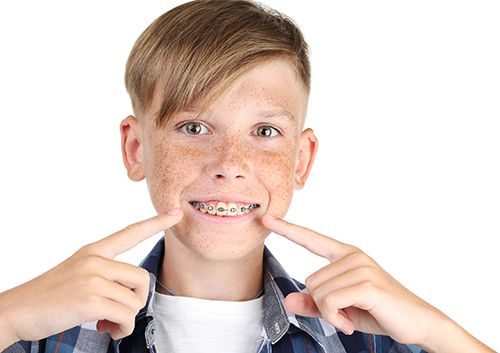
You’re going to the game! And no matter which sport you follow, there’s so much to enjoy—the best athletes, exciting play, hometown pride—and those delicious concession stands! But if you’re wearing braces, your team spirit might be flagging. Here are a few ideas to help keep your food choices out of foul territory.
You know that you should avoid the foods that can damage braces or stick around your wires and brackets. This means any snacks that are sticky, chewy, hard, or crunchy are benched. So most of the traditional game foods—peanuts, popcorn, nachos, licorice—are just not safe for traditional metal or ceramic braces. Let’s save those for next season.
So what is on the program? You still have many great choices.
- Ice Cream. A favorite that’s easy on your braces (no nuts or caramel, please). If you want a healthier option, try frozen yogurt or a smoothie.
- Hearty Snacks. Pretzels and pizza can be too thick and chewy. Go for the mac and cheese, chili, or deli meats on soft bread. And remember, small bites! Check with us to see if hamburgers and hot dogs are safe for your braces.
- Soft Candies and Cookies. Licorice, caramels, and crunchy cookies are out, but soft chocolate bars and moist, tender cookies are still on the menu.
- Sodas and sports drinks can create a sugary and/or acidic environment which can damage enamel over time. If you do indulge, try to rinse with water ASAP.
Stadium and arena menus contain a lot of starches and sugars, which stick to braces and fuel cavity-causing bacteria. So it’s best to go easy on the snacks. But you don’t have to give up a half-time treat entirely—just enjoy in moderation and be sure to brush thoroughly when you get home.
If you wear clear aligners, your choices are simpler. You can remove your aligners, eat normally, and clean your teeth thoroughly before replacing them. But one flag on this play—remember that you’re supposed to wear your aligners for a set number of hours each day. You don’t want to be putting your treatment behind schedule if the game goes into triple overtime. Keep your eye on the clock, and you should be fine.
Dr. Iwei Huang and our Chicago team are always happy to recommend the best food options for your individual orthodontic treatment, and we can help you select a roster of safe and healthy choices. You might miss out on a few of your favorite sports snacks right now, but let’s remember the true fan’s motto: There’s always next year! Taking care of your braces and teeth means faster treatment and healthier teeth. Your All-Star smile will be worth it!
July 6th, 2022
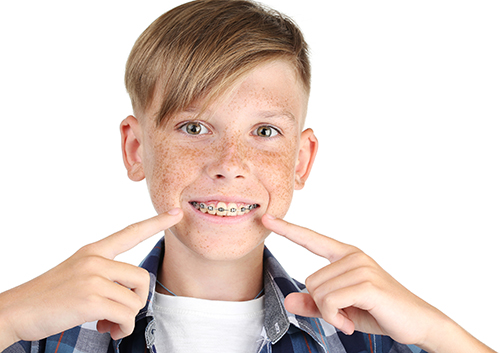
You’re going to the game! And no matter which sport you follow, there’s so much to enjoy—the best athletes, exciting play, hometown pride—and those delicious concession stands! But if you’re wearing braces, your team spirit might be flagging. Here are a few ideas to help keep your food choices out of foul territory.
You know that you should avoid the foods that can damage braces or stick around your wires and brackets. This means any snacks that are sticky, chewy, hard, or crunchy are benched. So most of the traditional game foods—peanuts, popcorn, nachos, licorice—are just not safe for traditional metal or ceramic braces. Let’s save those for next season.
So what is on the program? You still have many great choices.
- Ice Cream. A favorite that’s easy on your braces (no nuts or caramel, please). If you want a healthier option, try frozen yogurt or a smoothie.
- Hearty Snacks. Pretzels and pizza can be too thick and chewy. Go for the mac and cheese, chili, or deli meats on soft bread. And remember, small bites! Check with us to see if hamburgers and hot dogs are safe for your braces.
- Soft Candies and Cookies. Licorice, caramels, and crunchy cookies are out, but soft chocolate bars and moist, tender cookies are still on the menu.
- Sodas and sports drinks can create a sugary and/or acidic environment which can damage enamel over time. If you do indulge, try to rinse with water ASAP.
Stadium and arena menus contain a lot of starches and sugars, which stick to braces and fuel cavity-causing bacteria. So it’s best to go easy on the snacks. But you don’t have to give up a half-time treat entirely—just enjoy in moderation and be sure to brush thoroughly when you get home.
If you wear clear aligners, your choices are simpler. You can remove your aligners, eat normally, and clean your teeth thoroughly before replacing them. But one flag on this play—remember that you’re supposed to wear your aligners for a set number of hours each day. You don’t want to be putting your treatment behind schedule if the game goes into triple overtime. Keep your eye on the clock, and you should be fine.
Dr. Iwei Huang and our Chicago team are always happy to recommend the best food options for your individual orthodontic treatment, and we can help you select a roster of safe and healthy choices. You might miss out on a few of your favorite sports snacks right now, but let’s remember the true fan’s motto: There’s always next year! Taking care of your braces and teeth means faster treatment and healthier teeth. Your All-Star smile will be worth it!