Our Blog

A Fun Halloween with Braces

October 31st, 2018

Having teeth encased in braces can be discouraging during Halloween. If you or your child has braces, there are certain candies to avoid this holiday season—and in general—while you have braces. Candy can be tempting, especially for children.

But don’t worry; other sweet treat options can readily take their place. Take a look at the American Association of Orthodontists’ tips on how to keep your braces safe.

Treats to avoid because they can cause damage to your braces include:

  • Hard candies
  • Chewy candies
  • Nuts
  • Caramel
  • Licorice
  • Jelly beans
  • Taffy
  • Bubblegum
  • Hard pretzels
  • Popcorn

These goodies should be avoided because they have the potential to bend or break your braces. Broken brackets and loose wires can waste time and money.

Switch out hard, chewy, and sticky candies for these options in the mean time:

  • Soft chocolate
  • Peanut butter cups
  • Gelatin treats
  • Ice cream
  • Smoothies
  • Root beer floats
  • Apple cider

Encouraging your child to stay with alternative, braces-friendly treats may prevent her from trying to eat candies that could break or damage braces. Halloween can still be fun, especially if your youngster (or you) don’t have to visit our Chicago office get braces fixed.

Make sure to remind your child to avoid harmful candies, and encourage him to exchange treats with friends to make it more fun. Only passing out candies that children can eat safely, such as soft chocolates, can make them feel included.

Dr. Iwei Huang and our team hope you enjoy your Halloween season, regardless of whether you are wearing braces.


Myths of Orthodontics

October 24th, 2018

The stereotypical braces wearer – in middle school, with a mouth full of metal brackets – has led to numerous myths about orthodontics that discourage many people from getting the dental care they need. Dr. Iwei Huang and our staff would like to put some of these myths to rest.

Myth 1: Orthodontic treatment is for kids. Although teenagers often visit the orthodontist to get braces, adults represent a growing proportion of orthodontic patients. Whether you’re eight or 80, a consultation with an orthodontist can identify problems with your teeth, jaws, or bite that can be corrected by orthodontic interventions.

Myth 2: Traditional, metal braces are my only option. Advances in orthodontic technology have rendered improved braces and other orthodontic appliances that are much less noticeable than the braces of yesteryear. Ask Dr. Iwei Huang about Invisalign® braces and other options that make sense for your situation.

Myth 3: Orthodontic treatment is only helpful for crooked teeth. Sure, a crooked smile is a common reason that patients seek orthodontic care. However, orthodontic interventions help with a range of dental health problems. From missing teeth to overbite to jaw misalignment, your orthodontist can help with many problems associated with the teeth, gums, and jaws.

Myth 4: Orthodontic treatment is too expensive. As with any medical procedure, orthodontics can be pricey. However, our Chicago team works with patients to find payment plans, insurance coverage, or other payment options that reduce the financial burden.

Invisalign® and Invisalign Teen® Make You Smile

October 17th, 2018

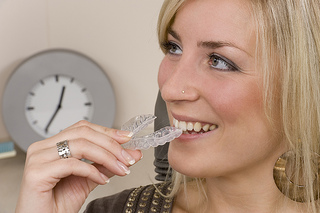
Many adults and teens in our Chicago office would love to have their teeth straightened but are unwilling to go through the long and often embarrassing process of wearing traditional metal braces. Invisalign® and Invisalign Teen® clear aligners offer the perfect solution: They’re the most advanced clear aligner systems in the world!

If you’re considering getting braces, there are several reasons why you might want to consider Invisalign clear aligners. Here are some of them:

  • You can eat whatever food you like, without worrying about it catching in wires or breaking brackets.
  • People won’t likely be able to tell you’re wearing them!
  • The aligners can be removed at any time.
  • You can brush and floss as you normally would, which helps to maintain better overall oral health.
  • Invisalign aligners are made of a smooth BPA-free plastic and are more comfortable to wear than traditional braces. You’ll need to visit our Chicago office less often: only once every six weeks or so.
  • With Invisalign Teen, you’ll receive up to six replacements for lost or broken aligners.

Before starting treatment, you’ll have a consultation with Dr. Iwei Huang to see if Invisalign or Invisalign Teen treatment is right for you. After that, you’ll have X-rays, pictures, and impressions taken of your teeth.

That information will be used to make the 3D models of your teeth that let Dr. Iwei Huang see how they will move throughout the entire treatment and approximately how long it will take.

You’ll receive your aligners based on the treatment plan we recommend. You’ll get a new set of aligners every two weeks. All you need to do is wear your aligners 22 hours a day and you’ll be on your way to a straighter smile in no time!

Ask a member of our Chicago team for more information about Invisalign clear aligners today!

Invisalign® Q&A

October 10th, 2018

It’s estimated that up to four million people at any one time are wearing braces in the United States and Canada. But Dr. Iwei Huang and our team at Gold Coast Orthodontics know that braces have come a long way from the early days of orthodontics, so much so that these days, options are available that are not visible to onlookers. The most popular of these “invisible” braces is Invisalign. Here’s a list of FAQs regarding Invisalign:

Are they really invisible?

Yes, the clear liners are virtually invisible, so they enable patients to feel good about themselves and their appearance, while getting the orthodontic treatment they need.

Are there wires, rubber bands, and brackets with Invisalign?

Nope. Invisalign is truly an alternative to conventional braces. The treatment consists of clear liners that can easily be removed and cleaned throughout the day. There are no wires, so there’s less poking and mouth irritation compared to braces. There’s also no wire tightening at adjustment appointments, so patients don’t have to worry about a sore mouth in the days that follow in-office visits.

I’ve heard that if I get braces, I won’t be able to eat certain foods like popcorn and hard candy. Is this true with Invisalign too?

No. With Invisalign, there are no food restrictions. You simply remove your aligners when you’re eating, and replace them after you’ve finished and brushed any leftover food particles away.

Does Invisalign cost more than braces?

While overall cost varies on a patient-by-patient basis and is based largely on the level of treatment, Invisalign costs about the same as traditional braces, which makes this treatment option a truly affordable alternative.

How does brushing compare with conventional braces?

Brushing your teeth while wearing conventional braces takes some getting used to. Patients have to brush around the metal brackets and floss with a specialty tool to get into the hard-to-reach areas of the mouth. By contrast, Invisalign can be removed at any time to permit regular brushing and flossing.

Every patient is different and Invisalign might not be the best course of orthodontic treatment for everyone, but it's an option that's gaining more and more popularity, and it's an orthodontic alternative that doesn't sacrifice comfort and convenience for results. For more information, or to schedule a consultation, please give us a call at our convenient Chicago office!